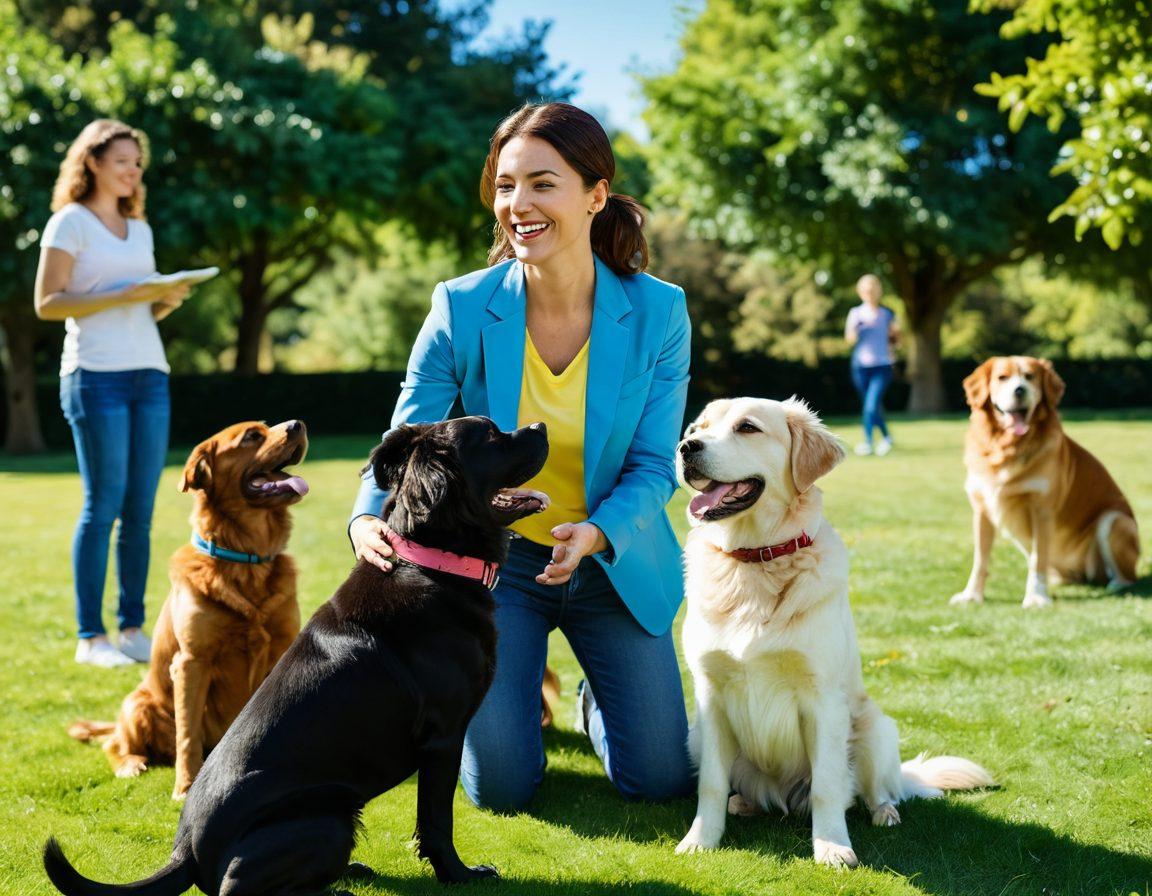
Mastering the Art of Canine Training: Everything You Need to Know About Working Dogs and Service Animals
Unlocking the potential of working canines and service animals is a journey as rewarding as it is challenging. Imagine a world where your dog communicates with you not just through barks but through actions and behaviors that respond perfectly to your commands. This vibrant universe awaits all dedicated dog owners and trainers. Whether you have a curious puppy or a seasoned canine companion, understanding the essential techniques for training working canines can transform your furry friend into an incredible assistance dog, ready to lend a helping paw in daily life.
Dog behavior training is far more than just teaching commands; it's about creating a bond of trust and understanding with your canine. One of the most effective approaches involves obedience training, which lays the groundwork for all other training techniques. Have you ever noticed how your dog mirrors your emotions? This is a powerful reminder of the connection you share. Through dog obedience classes, handlers learn how to instill discipline while embracing the individuality of their dogs, leading to a healthier relationship based on mutual respect.
The types of training needed vary for each purpose and breed, especially among working breeds, which include Labradors, German Shepherds, and Golden Retrievers—only a few of the most recognizable assistance dogs. Specialized dog training may investigate areas like dog agility training or even the emotional nuances required for therapy dogs. But how do we effectively train these varied working canines? It begins with understanding the distinct traits of each breed and the specific tasks they perform.
Canine assistance services require more than just basic commands. Professional canine training delves into handler training, enabling owners to navigate the unique challenges of having a service animal. It makes one ponder: How well do you understand your dog's needs? Investing time in your dog's socialization can ease their adaptation to public environments, enhancing their confidence and allowing your assistance dog to shine in any situation. This is where dog handler courses become indispensable, offering insights into the life-rewarding experiences these trained canines provide to their owners.
Moreover, dog sports can offer a fun twist to traditional training routines. Engaging with your canine in activities like agility courses or obedience trials not only boosts their skills but also fosters a deep-rooted connection between handler and dog. Have you ever tried incorporating games into your training? How did it feel to watch your furry partner thrive? When approached with patience and creativity, the world of canine education opens vast possibilities. Together, let’s unlock the remarkable potential of working dogs, enhancing lives while fostering a loving partnership that stands the test of time.
From Obedience to Agility: Comprehensive Approaches to Canine Education
Have you ever watched a well-trained dog marvel at its owner's commands, seamlessly responding in a play of agility and obedience? If so, you've experienced the magic of dedicated dog behavior training. From playful puppies to the most serious working canines, effective training techniques can bridge the gap between a chaotic romp in the park and a focused task that transforms lives. So, what does it take to go from basic obedience training to the higher echelons of specialized dog training? Let's dive into the world of canine education and discover the journey from obedience to agility.
Mastering the art of canine education isn't just about instilling commands; it's about understanding a dog’s unique personality and building a relationship founded on trust. This is particularly true for working breeds, which often exhibit high energy and intelligence. Whether you’re training assistance dogs or engaging in dog sports, knowing how to tap into those traits can lead to remarkable outcomes. Have you seen a dog navigate through an agility course? That precise control comes from foundational obedience training that encourages focus and discipline. The start of this training can often be found in dog obedience classes where trainers do more than just teach commands—they foster a culture of socialization and communication between dogs and handlers alike.
Have you ever considered how the world views service animals and assistance dogs? These trained canines are not just pets; they are lifelines for their handlers, often providing critical support in day-to-day activities. The training for service dogs is a dedicated practice that combines dog behavior training with real-life applications. In a way, training for service dogs transforms these furry companions into competent helpers, trained to navigate situations that may be overwhelming for their handlers. This crucial bond thrives on mutual respect and understanding, something that begins early in their education and blossoms through dog socialization techniques and handler training.
It's fascinating to think about how various dog training techniques contribute to the overall competence of a canine. Consider the particular methods used in professional canine training environments where dogs learn everything from basic commands to complex behaviors. There's a broad spectrum of specialty training, from working dog training to dog agility training. These areas not only make dogs more adept in specific roles but also enhance the bond between dog and handler. For those serious about canine training, dog handler courses provide advanced strategies that deepen human-dog communication and refine the skill sets that transform average dogs into trained canines with instinctual responses.
Lastly, remember that ongoing education is paramount to developing a well-rounded canine. Whether through dog sports, advanced classes, or even interactive play, the focus should always be on growth and adaptability. Working canines thrive on mental stimulation and physical challenges that come from diverse experiences. As you embark on your canine education journey, ask yourself: What unique talents does your dog possess? How can we harness those natural skills through specialized dog training? By understanding their capabilities while prioritizing obedience and agility, you set the stage not only for a well-trained dog but also for an enriching partnership that lasts a lifetime.
Building Bonds: The Role of Professional Canine Training in Enhancing Dog Behavior and Performance
In the world of dogs, the bond between a canine and its handler transcends beyond the mere act of training; it evolves into a partnership built on trust, respect, and mutual understanding. Have you ever marvelled at a well-behaved service animal quietly guiding its owner through a busy street, or a working canine confidently herding sheep on open pastures? These extraordinary interactions are the result of professional canine training, which plays a pivotal role in enhancing both dog behavior and performance. When we think of ‘working canines,’ it conjures images of assistance dogs, service animals, and specialized dog training. But what truly lies behind this remarkable partnership? Let’s delve deeper!
Imagine this: You’re struggling with anxiety in public spaces, and then you see a service dog calming the storm within its handler. Isn’t it fascinating how a dog can act as a bridge to a more fulfilling life? This is the essence of professional canine training. Proper dog behavior training not only fine-tunes basic skills through obedience training, but it also helps dogs become well-rounded companions. It’s not just about commands; it’s about nurturing a dog’s instincts, understanding their body language, and fostering effective communication, which together enhance the canine's performance in various situations.
Let’s talk about the backbone of good behavior—the foundations laid during dog obedience classes. Engaging in these classes creates a solid groundwork for any dog, regardless if they belong to working breeds or are just family pets. The interaction in dog socialization exercises makes a world of difference; it helps dogs learn from each other, promotes positive interactions, and reduces anxiety. The journey through professional canine training involves challenges, but with the right dog training techniques, you’ll notice transformations that are heartwarming. Just think about it: could your dog be a star in dog sports or excel in dog agility training? With the right guidance, anything is possible!
Of course, training for service dogs can be quite different from traditional obedience training. It involves specialized dog training techniques that ensure these canines can efficiently perform tasks that assist their handlers. From searching for medical emergencies to providing emotional support, each task requires focused handler training and understanding of the working dog training process. This unique pathway not only fosters a remarkable bond between human and canine but also equips trained canines with the skills they need to navigate the world confidently and proficiently.
In conclusion, the journey of mastering dog training, whether for assistance dogs or working breeds, is an adventure filled with growth, understanding, and amazing stories. So, if you are considering entering dog handler courses or engaging in canine education, remember this: the ultimate goal of professional canine training isn’t merely about teaching ‘sit’ and ‘stay.’ It’s about building lasting bonds, enhancing every moment spent together. Are you ready to take the first step in enriching your dog’s life and your own? Let’s celebrate the incredible world of working canines together!